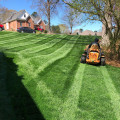
Lawn care is often seen as a separate task from home maintenance, but in reality, it plays a significant role in supporting the overall health and functionality of a property. A well-maintained lawn contributes to more than just curb appeal—it helps protect the structural integrity of the home and creates a safer, more usable outdoor environment. Regular mowing, fertilization, and weed control ensure that grass remains healthy and resilient, reducing the risk of soil erosion and uneven ground that could impact walkways or foundations. By treating lawn care as part of a broader maintenance strategy, homeowners can address potential issues before they escalate into costly repairs.
Preventing Structural Issues Through Proper Lawn Maintenance
Consistent lawn care helps prevent a variety of structural problems that can affect the home over time. For example, proper grading and turf management ensure that water drains away from the foundation rather than pooling around it. Excess moisture near the base of a home can lead to cracks, mold growth, and long-term damage. Additionally, maintaining healthy grass and soil reduces dust and debris that can enter the home, improving indoor cleanliness and air quality. These preventative measures highlight how lawn care directly supports the stability and durability of residential structures.
Enhancing Efficiency of Outdoor Systems
Lawn care also complements the performance of various outdoor systems, such as irrigation, drainage, and even HVAC units located outside the home. Keeping grass trimmed and removing debris ensures that sprinkler systems operate efficiently, delivering water evenly across the yard. Similarly, clear surroundings around outdoor HVAC units allow for proper airflow, improving energy efficiency and reducing strain on the system. When homeowners take a comprehensive approach to maintenance, they can ensure that all components—both inside and outside the home—work together seamlessly. This level of coordination enhances overall efficiency and reduces the likelihood of unexpected issues.
Supporting Safety and Usability of Outdoor Spaces
A well-maintained lawn creates a safer environment for everyday activities. Overgrown grass, weeds, and uneven terrain can become hazards, increasing the risk of trips and falls. Regular upkeep keeps pathways clear and surfaces even, making outdoor spaces more accessible for family members and guests. Additionally, maintaining a clean and healthy lawn helps deter pests that thrive in neglected environments. For homeowners seeking professional assistance, many service providers encourage clients to visit website resources for scheduling, service details, and maintenance plans that align with their specific needs. Access to these tools makes it easier to stay on top of lawn care and integrate it into a broader home maintenance routine.
Long-Term Benefits of Integrated Maintenance Practices
Integrating lawn care into overall home maintenance offers significant long-term benefits. A healthy lawn not only enhances property value but also reduces the need for extensive repairs by preventing issues related to water damage, soil instability, and system inefficiencies. Over time, consistent care creates a balanced environment where outdoor and indoor systems support each other, leading to improved comfort and reduced maintenance costs. By recognizing the connection between lawn care and home maintenance, homeowners can adopt a proactive approach that ensures their property remains functional, attractive, and well-protected for years to come.