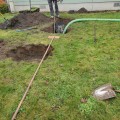
When planning concrete contractor projects, many homeowners focus on the finished surfaces—such as patios, walkways, or driveways—without considering how the work may affect their lawn. Concrete construction involves heavy equipment, material staging, and increased foot traffic, all of which can put stress on grass and landscaping. Soil compaction, debris, and accidental spills can damage turf if precautions are not taken. Understanding these potential impacts allows homeowners to take proactive steps to protect their lawn while still moving forward with necessary upgrades.
Preparing Your Lawn Before Construction Begins
Proper preparation is key to minimizing lawn damage during concrete work. Before contractors arrive, it’s important to clear the area of outdoor furniture, decorative elements, and any obstacles that could interfere with the project. Marking irrigation systems, sprinkler heads, and underground utilities helps prevent accidental damage. Homeowners may also consider trimming grass and edging nearby areas to create a cleaner workspace. Communicating expectations with contractors, especially experienced teams like Concrete Revival, ensures that everyone is aware of sensitive areas and can take steps to avoid unnecessary disruption.
Protecting Grass and Landscaping During the Project
During the construction phase, protecting your lawn becomes a priority. Contractors can use plywood, mats, or designated pathways to distribute the weight of heavy equipment and reduce soil compaction. Keeping machinery and materials confined to specific zones helps preserve the surrounding grass. It’s also important to monitor for concrete spills or runoff, as these can harm vegetation if left unaddressed. Regularly checking the site and addressing issues quickly can prevent long-term damage and keep your lawn in better condition throughout the project.
Post-Construction Lawn Recovery and Maintenance
Once the concrete work is complete, your lawn may require some attention to restore its health and appearance. Areas affected by heavy traffic or equipment may need aeration to loosen compacted soil and promote healthy root growth. Reseeding or laying new sod can help repair patches of damaged grass, while proper watering and fertilization support recovery. Removing any leftover debris and ensuring that irrigation systems are functioning correctly are also important steps. With the right care, your lawn can quickly bounce back and complement the newly completed concrete features.
Long-Term Benefits of Proper Lawn Care Planning
Taking the time to plan and manage lawn care during concrete contractor work offers long-term benefits for your property. A well-maintained lawn enhances curb appeal, complements new concrete installations, and contributes to a more enjoyable outdoor space. It also reduces the likelihood of costly repairs or landscaping replacements in the future. By balancing construction needs with proper lawn care practices, homeowners can achieve both functional improvements and a visually appealing environment. Thoughtful preparation, protection, and recovery ensure that your lawn remains healthy and vibrant even after major construction projects.