A lush, green lawn is often a source of pride for homeowners, offering both visual appeal and a comfortable outdoor space for relaxation and activities. However, achieving this balance requires more than regular watering and mowing—it also involves managing conditions that could attract unwanted pests. In many cases, the same elements that promote healthy grass, such as moisture and organic matter, can also create ideal environments for insects and small animals. The key is to maintain a lawn that supports growth while minimizing the factors that invite pests to settle in.
Smart Watering and Drainage Practices
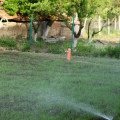
Watering is essential for a thriving lawn, but overwatering can quickly lead to problems. Excess moisture creates breeding grounds for mosquitoes and other insects, while also encouraging fungal growth that can weaken grass. Implementing a consistent watering schedule and ensuring proper drainage helps maintain the right balance. Aerating the soil and using well-designed irrigation systems can prevent water from pooling, reducing the likelihood of pest infestations while still supporting healthy grass development.
Choosing the Right Grass and Plants
Selecting the right type of grass and complementary plants is another important step in pest prevention. Certain grass varieties are more resistant to pests and diseases, making them a better choice for long-term maintenance. Incorporating plants that naturally repel insects can further enhance the lawn’s defenses. Native species are particularly effective, as they are adapted to local conditions and require less maintenance. This approach not only supports a healthier lawn but also contributes to a more balanced ecosystem.
Regular Maintenance and Upkeep
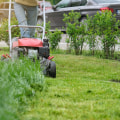
Consistent lawn care practices play a significant role in keeping pests at bay. Regular mowing prevents grass from becoming overgrown, which can provide shelter for insects and small animals. Removing debris such as fallen leaves and branches eliminates hiding spots and reduces the buildup of organic material that pests rely on. Fertilizing appropriately and monitoring soil health also help maintain strong, resilient grass that is less susceptible to damage. When issues do arise, consulting professionals like Critter Bro's wildlife removal service can provide targeted solutions to address persistent pest problems without compromising the overall health of the lawn.
Managing Soil and Nutrient Balance
Healthy soil is the foundation of a pest-resistant lawn. Proper nutrient levels support strong root systems, making grass more resilient to environmental stress and pest activity. Testing the soil and applying the right balance of fertilizers can improve overall lawn health. Additionally, avoiding excessive use of chemicals helps maintain beneficial organisms that naturally control pest populations. This balanced approach ensures that the lawn remains vibrant without creating conditions that attract unwanted visitors.
Creating a Balanced Outdoor Environment
A well-maintained lawn is part of a larger outdoor ecosystem, and achieving balance is key to long-term success. Encouraging beneficial insects, such as pollinators and natural predators, helps regulate pest populations naturally. Features like proper lighting, controlled moisture levels, and strategic landscaping all contribute to an environment that is both attractive and functional. By focusing on these elements, homeowners can create outdoor spaces that are enjoyable while minimizing the presence of pests.
A Sustainable Approach to Lawn Care
Ultimately, maintaining a lush lawn without inviting unwanted pests requires a combination of thoughtful planning and consistent care. By managing water, selecting appropriate plants, and maintaining soil health, homeowners can achieve a balance that supports both beauty and functionality. This sustainable approach not only enhances the appearance of the lawn but also ensures that it remains a comfortable and pest-free space for years to come.