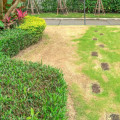
Creating a balanced landscape begins with maintaining a healthy, vibrant lawn that serves as the visual and structural foundation of the property. Proper lawn care involves more than routine mowing; it requires attention to soil health, irrigation practices, fertilization schedules, and seasonal treatments. Aeration improves root oxygenation, allowing grass to grow thicker and more resilient. Balanced fertilization ensures turf receives the nutrients it needs without promoting excessive growth that demands constant trimming. Weed control and pest management further protect the lawn’s uniform appearance. When turf is properly maintained, it provides a lush backdrop that complements surrounding trees and plantings, contributing to a cohesive and polished outdoor environment.
Integrating Tree Health for Visual Harmony
While a well-kept lawn forms the base, trees provide structure, shade, and dimension to the landscape. Balanced landscaping requires careful coordination between lawn care and tree maintenance. Trees influence sunlight patterns, soil moisture levels, and nutrient distribution throughout the yard. Overgrown canopies may block essential light from reaching the grass, leading to thinning patches or uneven growth. Strategic pruning opens the canopy to allow filtered sunlight while preserving the tree’s natural shape. Healthy root systems also play a vital role; ensuring that tree roots are not competing excessively with turf for nutrients promotes mutual growth rather than imbalance. Consulting trusted tree service providers ensures that pruning and root management are conducted in ways that protect both tree vitality and lawn health.
Coordinating Irrigation and Drainage Systems
Water management is another key factor in creating a balanced landscape. Lawns and trees have different watering requirements, and over-irrigation can cause root rot or fungal issues, while under-watering leads to stress and discoloration. A well-designed irrigation system accounts for these differences by delivering appropriate moisture levels to each area. Drip irrigation around tree bases conserves water and reduces oversaturation, while sprinkler systems maintain consistent lawn hydration. Proper drainage prevents water pooling near tree trunks or low-lying turf sections. Coordinating irrigation strategies ensures that neither lawns nor trees suffer from imbalanced moisture conditions, supporting overall landscape health.
Seasonal Maintenance for Long-Term Stability
A balanced landscape also depends on consistent seasonal care. In spring, dethatching and fertilizing lawns promote strong growth, while inspecting trees for winter damage helps prevent structural weaknesses. Summer maintenance focuses on monitoring for pests, adjusting watering schedules, and trimming excess growth. Fall provides an opportunity for overseeding, soil enrichment, and pruning to prepare trees for colder months. Even winter maintenance, such as removing snow buildup from branches and protecting young trees, contributes to long-term stability. By aligning lawn care and tree service efforts throughout the year, homeowners create a landscape that remains healthy and visually appealing across seasons.
Achieving Aesthetic and Environmental Balance
Ultimately, creating a balanced landscape involves harmonizing aesthetics with environmental sustainability. Healthy lawns and well-maintained trees enhance curb appeal while supporting biodiversity and air quality. Trees offer shade that reduces soil evaporation and protects turf from heat stress, while grass prevents soil erosion and stabilizes tree root systems. Thoughtful planning ensures that plant spacing, species selection, and maintenance practices work together rather than compete.
By combining attentive lawn care with strategic tree service, homeowners cultivate outdoor spaces that are both functional and beautiful. Coordinated maintenance fosters resilience, promotes long-term growth, and enhances the overall value of the property. A balanced landscape is not achieved through isolated efforts but through an integrated approach that nurtures every element of the outdoor environment.