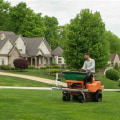
A well-maintained lawn is often appreciated for its ability to enhance curb appeal, create inviting outdoor spaces, and increase the overall value of a residential property. However, healthy lawn care provides benefits that extend beyond appearance. Proper mowing, fertilization, irrigation, and soil maintenance all influence how water moves across a property and how the surrounding landscape supports nearby structures. Grass and healthy root systems help stabilize the soil, reduce erosion, and encourage more consistent moisture absorption, which can lessen runoff during heavy rainfall. When lawns are neglected or poorly maintained, bare soil, excessive water pooling, and uneven drainage may develop, potentially affecting foundations, walkways, patios, and other structural features. Understanding the relationship between lawn care and structural planning helps homeowners recognize that landscape maintenance is not simply an aesthetic task but an important part of protecting the long-term condition of their homes.
Soil and Drainage Play a Key Structural Role
The condition of the soil surrounding a home's foundation directly influences the stability of the structure over time. Excessive moisture can soften supporting soils and contribute to settlement, while prolonged dry conditions may cause certain soil types to shrink, creating uneven support beneath foundations. Proper lawn care encourages balanced soil conditions by promoting healthy grass coverage that reduces erosion and improves water infiltration. Irrigation systems should also be carefully managed to avoid oversaturating areas near the home's foundation, as excessive watering can create drainage problems that gradually affect structural performance. Likewise, grading should direct surface water away from the building rather than allowing it to collect around the foundation. Structural engineers appreciate properties where landscaping and lawn maintenance support effective water management because consistent soil conditions contribute to more reliable foundation performance. Companies such as Open Concept Engineering recognize that long-term structural durability is influenced not only by engineering design but also by responsible site maintenance practices that help preserve the integrity of the surrounding landscape.
Coordinating Landscape Maintenance With Structural Protection
Lawn care and structural planning become even more closely connected during renovation projects or new home construction. Heavy equipment, excavation, and grading activities can alter drainage patterns and compact soil if not properly managed. After construction is complete, restoring healthy turf and vegetation helps stabilize disturbed ground while reducing the risk of erosion and sediment movement. Lawn care professionals also play an important role by identifying low spots where water collects, correcting uneven grading, and maintaining vegetation that supports healthy soil conditions without interfering with nearby structures. In addition, careful placement of irrigation systems helps ensure that water is distributed evenly without creating excessive moisture around foundations, retaining walls, or paved surfaces. This coordinated approach protects both the landscape and the structural elements that depend on stable soil for long-term performance.
Long-Term Property Value Through Preventive Care
Maintaining a healthy lawn should be viewed as part of a broader property maintenance strategy that supports both landscape quality and structural integrity. Regular mowing, seasonal fertilization, proper watering, aeration, and drainage inspections all contribute to healthier soil and more consistent site conditions that benefit the home over time. Homeowners who combine these practices with routine foundation inspections, gutter maintenance, and responsible landscape planning are often better equipped to prevent costly structural issues before they develop. Healthy lawns also improve outdoor usability, reduce erosion during storms, and create more attractive surroundings that enhance overall property value. By recognizing how lawn care and structural planning work together, homeowners can make informed maintenance decisions that protect both the visible beauty and hidden stability of their property. Integrating thoughtful landscape management with sound engineering principles creates residential environments that remain attractive, functional, and structurally dependable, ensuring that both the home and its surrounding landscape continue performing well for many years to come.